
From everyday regulation to World Cup-ready in Atlanta
The City of Atlanta already ran its citywide shared micromobility programme on Vianova. When the FIFA World Cup 2026™ arrived, the same platform absorbed new parking zones, automatic no-parking enforcement and a match-day dashboard — no new tool, no waiting for the quarterly report.
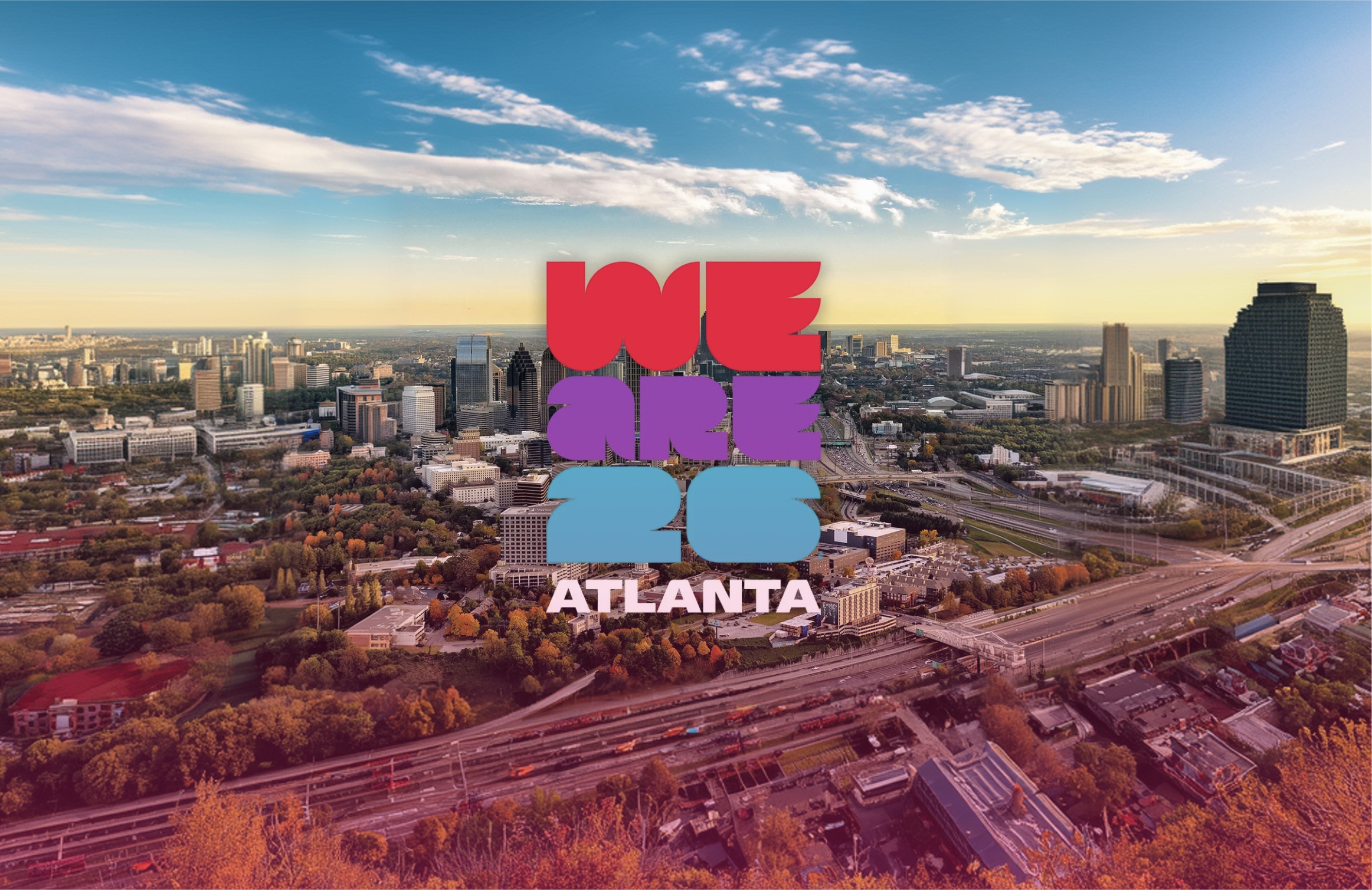
6,000 shared scooters and e-bikes managed across the city every day. 4 regulatory functions already running in one platform before kick-off. Hours, not days from match-day data to an updated zone in VIP.
The Background
Atlanta did not start preparing for the World Cup when the World Cup was announced. The City was already using Vianova's platform to oversee shared micromobility across its full operator network — around 6,000 scooters and e-bikes on the street on any given day. Four things ran in one place: all operator data in a single live view, parking rules and restricted areas configured directly in VIP, real-time alerts when operators or users fell outside agreed boundaries, and trip data tracked continuously to inform planning.
The Challenge
A tournament does not change a shared mobility programme. It concentrates it. What Atlanta needed for the FIFA World Cup 2026™ was targeted rather than new:
- parking for scooters and e-bikes close enough to the venues to be useful, without cluttering the places crowds move through;
- stadium perimeters, emergency routes and pedestrian corridors kept clear, without putting staff on the street to police them;
- a way to see what had actually happened on a match day in time to act before the next one.
The Solution
The work was configuration, not procurement.
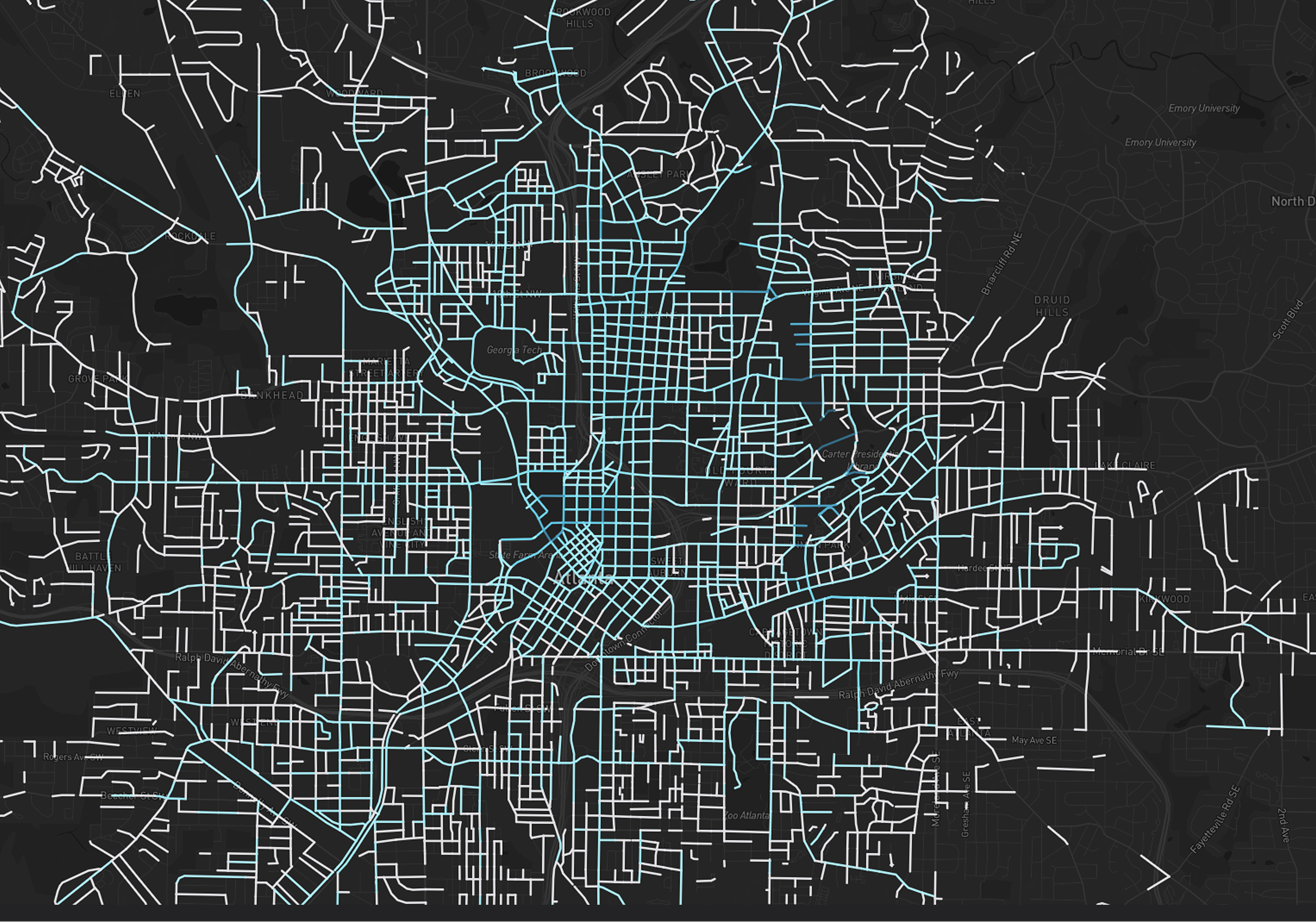
- New parking zones. Designated pick-up and drop-off areas for shared scooters and e-bikes placed near Atlanta Stadium, Fan Fest and transit connections, so devices were accessible without cluttering key areas.
- No-parking zones. Restricted areas around stadium perimeters, emergency routes and pedestrian corridors, enforced automatically through operator integrations — no manual oversight needed.
- A dashboard built together. Vianova helped Atlanta build a before-and-after match-day analysis, so the team could see exactly what was happening across the City's shared micromobility network, match by match.

The Results
With the Match-Day Mobility Impact Dashboard, Atlanta moved from data to decision in hours, not days. Every match became a chance to refine the City's approach.
- The full picture, before and after every match: how many trips, which modes dominated, where demand peaked, and how arrivals compared to departures.
- Zones controlled in real time. Configurations updated directly in VIP based on what the data showed. Parking areas scaled up and no-parking perimeters extended between games, not months later.
- Regulation adjusted match by match. If scooters clustered at an exit, a new parking corral was added. If demand peaked earlier, zones were activated earlier.
The Future
Nothing about the setup was temporary. The zones, the integrations and the reporting Atlanta built for the tournament are the same ones that run the everyday programme — which is the point. The City kept the capability after the crowds left.



Become part
of the movement
in the Vianova world.
Let's get in touch
Lets talk! We are excited to hear how we can help you solve your mobility challenges.